You could spend ₹20 lakh or more on your home interiors and still end up with a space that looks ordinary. Meanwhile, a thoughtfully designed home with a carefully selected palette, comfortable furniture and good lighting can feel far more refined.
What makes the difference? It often comes down to proportion, material selection, lighting and how well every element works together.
The biggest interior design trends of 2026 reflect a shift towards warmer, more personal and more practical homes. Natural materials, textured finishes, expressive lighting and individual design choices are gaining attention, while craftsmanship and long-term usability remain important considerations.
But there is a catch. Not every trend deserves a permanent place in your home. A finish that looks exciting on Instagram today may become difficult to live with, expensive to replace or visually overwhelming a few years later.
So, which home decor trends in 2026 are worth exploring? Which design choices are losing their appeal? And how can you create premium-looking interiors that still feel relevant in 2029?
Let's explore the trends, mistakes and practical design decisions Indian homeowners should understand before investing in a new apartment, villa or renovation.
The 2026 trends at a glance
- Warm, earthy palettesSand, beige, olive and terracotta instead of all-grey rooms
- Natural materials and textureWood grain, stone and textured walls used with restraint
- Layered lightingAmbient, task and accent light planned with the furniture
- Personalised interiorsArt, books and meaningful objects over showroom perfection
- Multifunctional furniturePieces that serve more than one everyday purpose
- LongevityDurable, repairable choices that adapt as needs change
Warm, earthy colour palettes are replacing all-grey interiors
For years, grey walls, grey sofas and grey flooring were common choices in modern homes. Grey is not disappearing, but using the same cool shade across every surface can leave a room feeling flat.
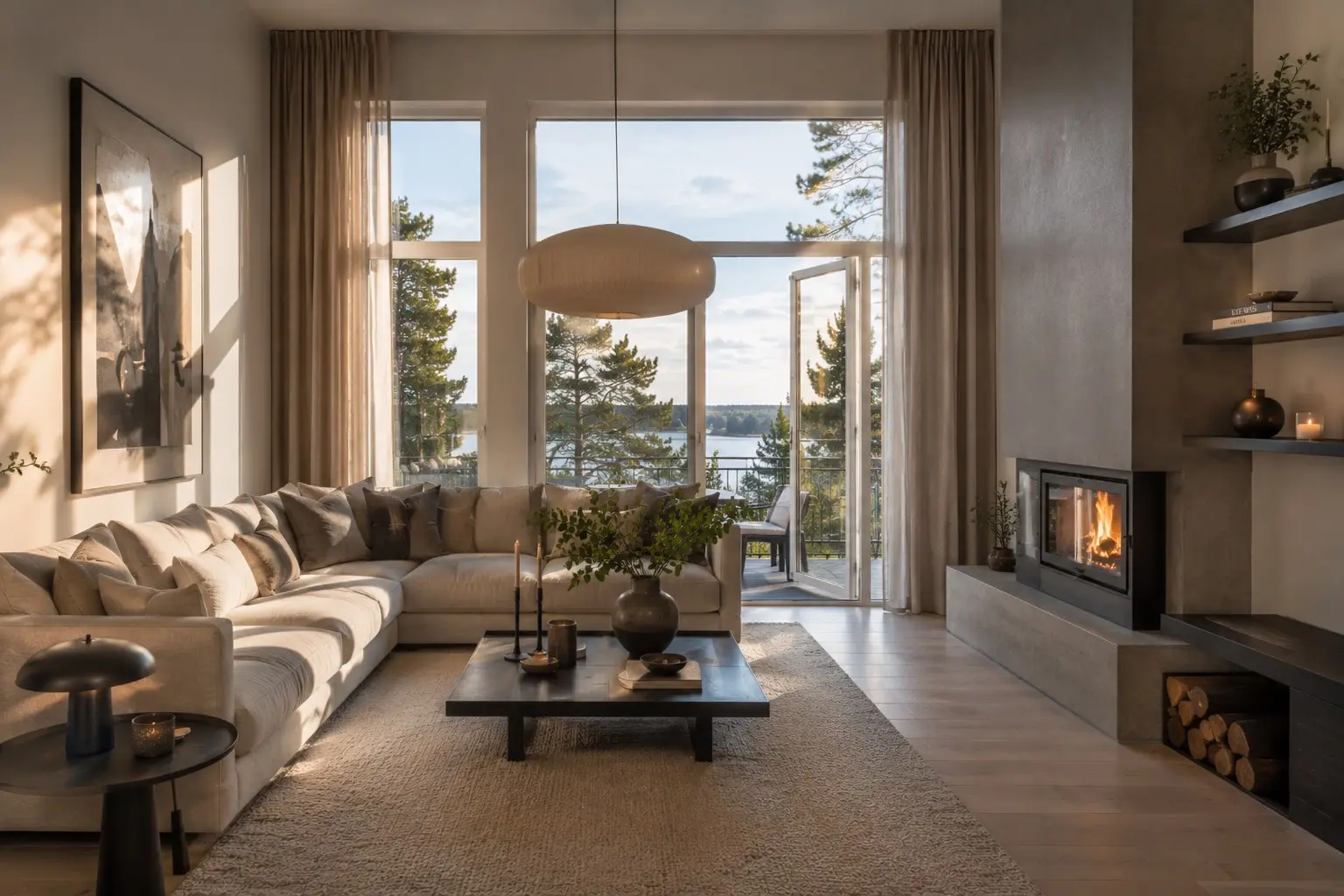
One of the noticeable interior design trends of 2026 is a growing interest in warmer, layered colour palettes. Think warm white, sand, beige, mushroom, chocolate brown, muted olive and terracotta.
These shades can complement wooden furniture, natural daylight and familiar materials such as stone, cotton and linen-look fabrics.
A warm palette, balanced
- Base warm white, sand or beige on walls and large surfaces
- Depth walnut or teak-inspired wood and mushroom tones
- Accent muted olive or terracotta in cushions, chairs and art
A starting point, not a rule. Test samples in daylight and under your own lighting.
How to incorporate this trend
- Use warm white or beige as the main wall colour.
- Add olive green through cushions, occasional chairs or artwork.
- Introduce walnut or teak-inspired natural wood finishes for depth.
- Use terracotta or rust as an accent rather than spreading it across every surface.
- Test paint samples under daylight and artificial lighting before finalising them.
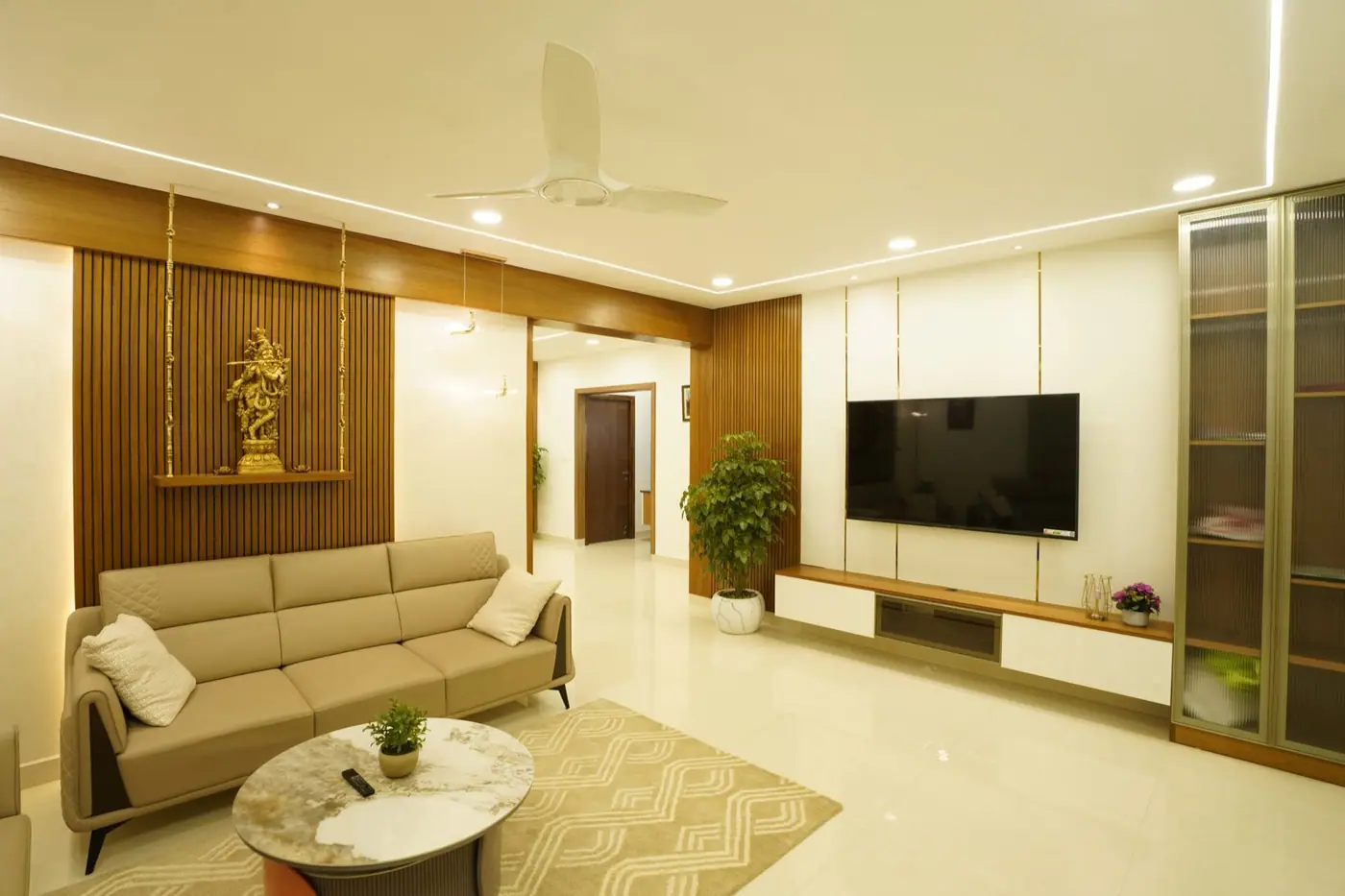
How Simplify Home brings this trend to life
Simplify Home approaches colour selection as part of the complete interior design rather than treating wall paint, furniture and wood finishes as separate decisions. Through design consultation, 3D visualisation and material selection, homeowners can explore how different combinations work together before finalising their interiors.
For example, a Hyderabad apartment could combine warm neutral walls, walnut-finish cabinetry and muted green accents to create a cohesive, contemporary look without relying on too many statement colours.
Homeowners looking for professional guidance can explore Simplify Home's interior design consultancy in Hyderabad to understand how design planning can help coordinate colours, finishes and the overall layout.
Natural materials and textured walls are bringing depth to modern homes
A room does not need a decorative feature on every wall to look interesting. Sometimes, the material itself provides enough visual character.
Natural wood grain, stone surfaces, textured plaster, woven fabrics and handcrafted objects are prominent themes in contemporary interior design. The emphasis is on tactile qualities, craftsmanship and materials that add character without excessive ornamentation.
For example, a living room might combine a subtle textured wall, a wood-finish TV console, a stone coffee table and simple upholstery. Each material contributes something different, while the overall palette keeps the space connected.
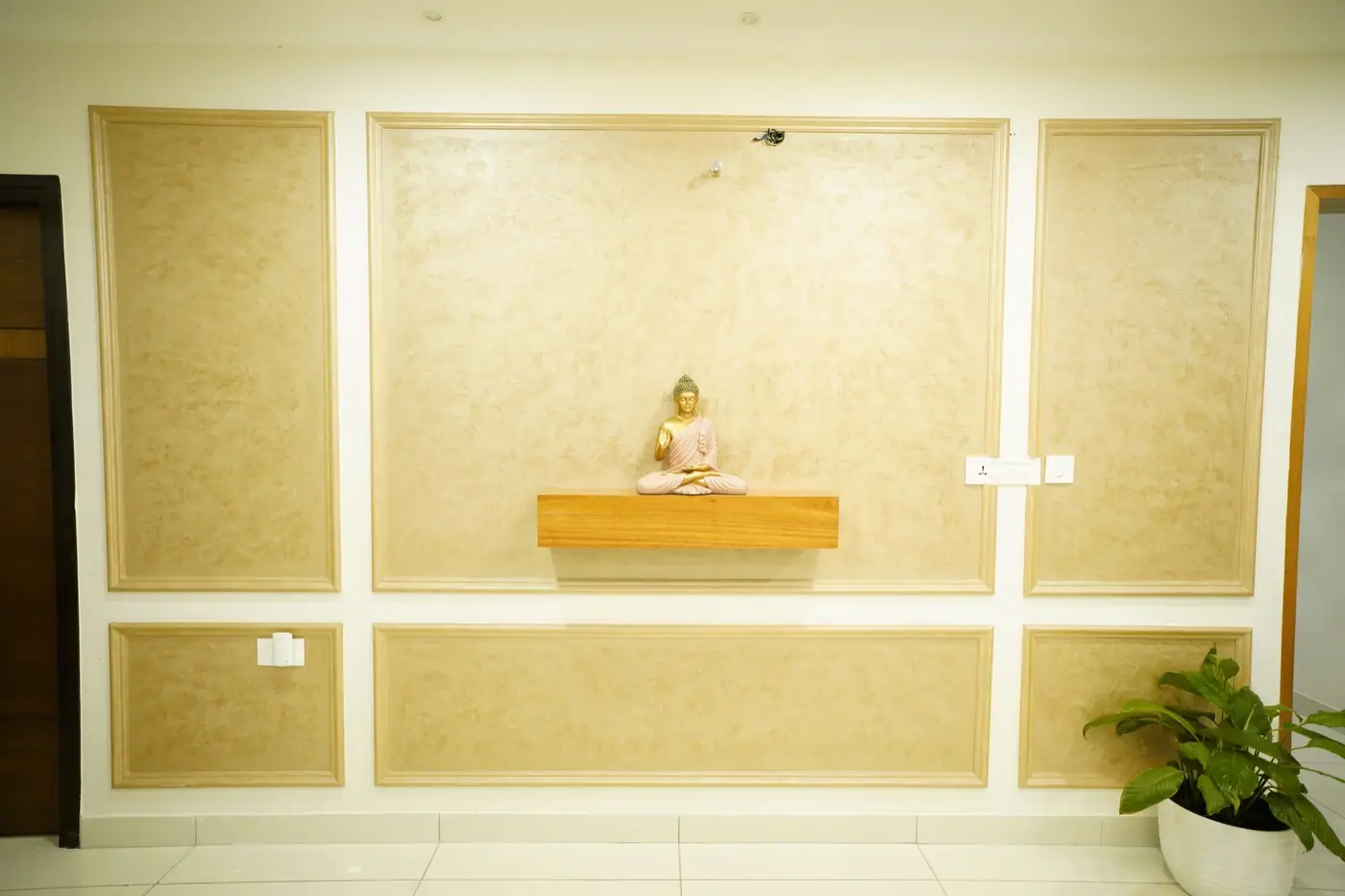
How to incorporate this trend
- Use one textured wall instead of treating every wall as a feature.
- Choose wood finishes that complement the flooring and other fixed elements.
- Balance heavily textured surfaces with simpler furniture.
- Check how natural and artificial light affect the appearance of materials.
- Consider cleaning requirements before selecting deep grooves or textured surfaces.
How Simplify Home creates cohesive material combinations
Choosing attractive materials individually does not guarantee that they will look good together. Simplify Home's design process helps coordinate finishes, textures and furniture within the overall design concept.
This is particularly useful when selecting flooring, wall treatments, kitchen finishes and wardrobe laminates for the same home. Rather than making each decision independently, homeowners can evaluate how the materials complement one another.
To explore residential design inspiration, browse the Simplify Home interior design portfolio for examples of how furniture, finishes and textures can work together.
Layered lighting is becoming just as important as furniture
Here is a common interior design mistake: spending a significant amount on furniture and finishes, then relying on a single bright ceiling light to illuminate the entire room.
Lighting changes how a space feels and how its colours and materials appear. That is why layered lighting deserves attention when planning modern home interior design.
A well-planned lighting scheme usually combines three types of illumination:
The three layers of lighting
- Layer 1AmbientGeneral illumination for everyday activities.
- Layer 2TaskFocused light for reading, cooking, studying or working.
- Layer 3AccentDraws attention to artwork, architectural details or selected textures.
In an Indian apartment, this could mean general ceiling lights in the living room, a pendant above the dining table, bedside reading lights and under-cabinet lighting in the kitchen.
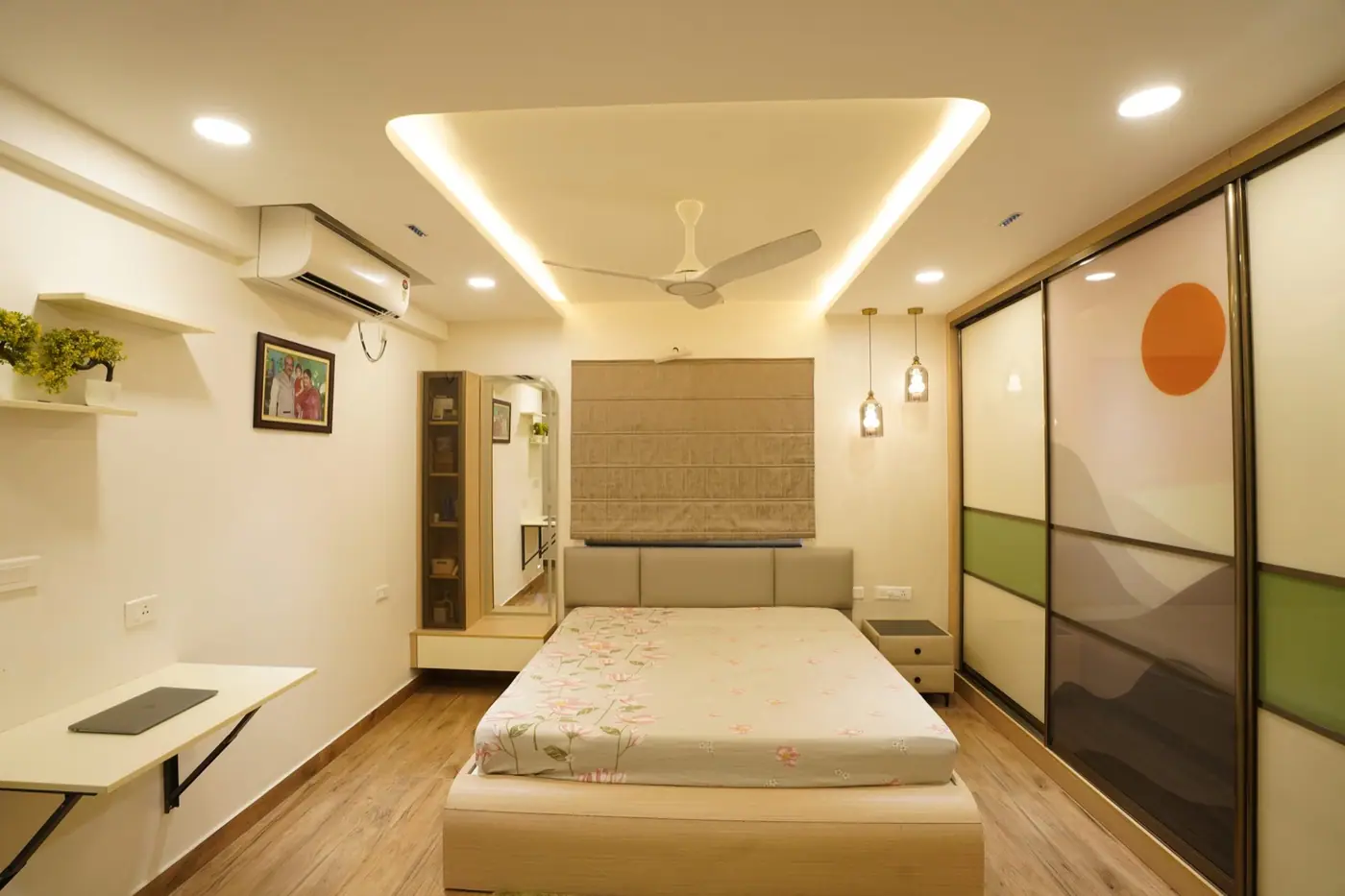
What should you avoid?
Oversized decorative fixtures can dominate small rooms. Excessive ceiling cut-outs can add complexity without improving functionality. Lights installed without considering glare, brightness and maintenance may also become frustrating over time.
A simpler lighting scheme can be more effective when planned properly.
How Simplify Home plans lighting around everyday living
Simplify Home incorporates lighting considerations into the broader design and space-planning process. By coordinating lighting with furniture layouts, ceiling details and the intended use of each room, homeowners can plan practical illumination alongside decorative elements.
For instance, a living room may need comfortable general lighting, focused illumination for reading and accent lighting for selected design features. Planning these requirements early helps create a more functional interior than adding decorative lights at the final stage.
Personalised interiors are replacing showroom-style perfection
A home should reflect the people who live in it. It does not need to look like a furniture showroom where every item belongs to the same collection.
Personal artwork, family photographs, books, handcrafted ceramics and meaningful objects can give a home character that a perfectly coordinated furniture set cannot always provide.
Ways to personalise your home
- Display artwork that reflects your taste.
- Arrange family photographs thoughtfully.
- Introduce books, ceramics and objects collected during travel.
- Pair a distinctive chair or coffee table with simpler furniture.
- Consider locally made accessories that add individuality.
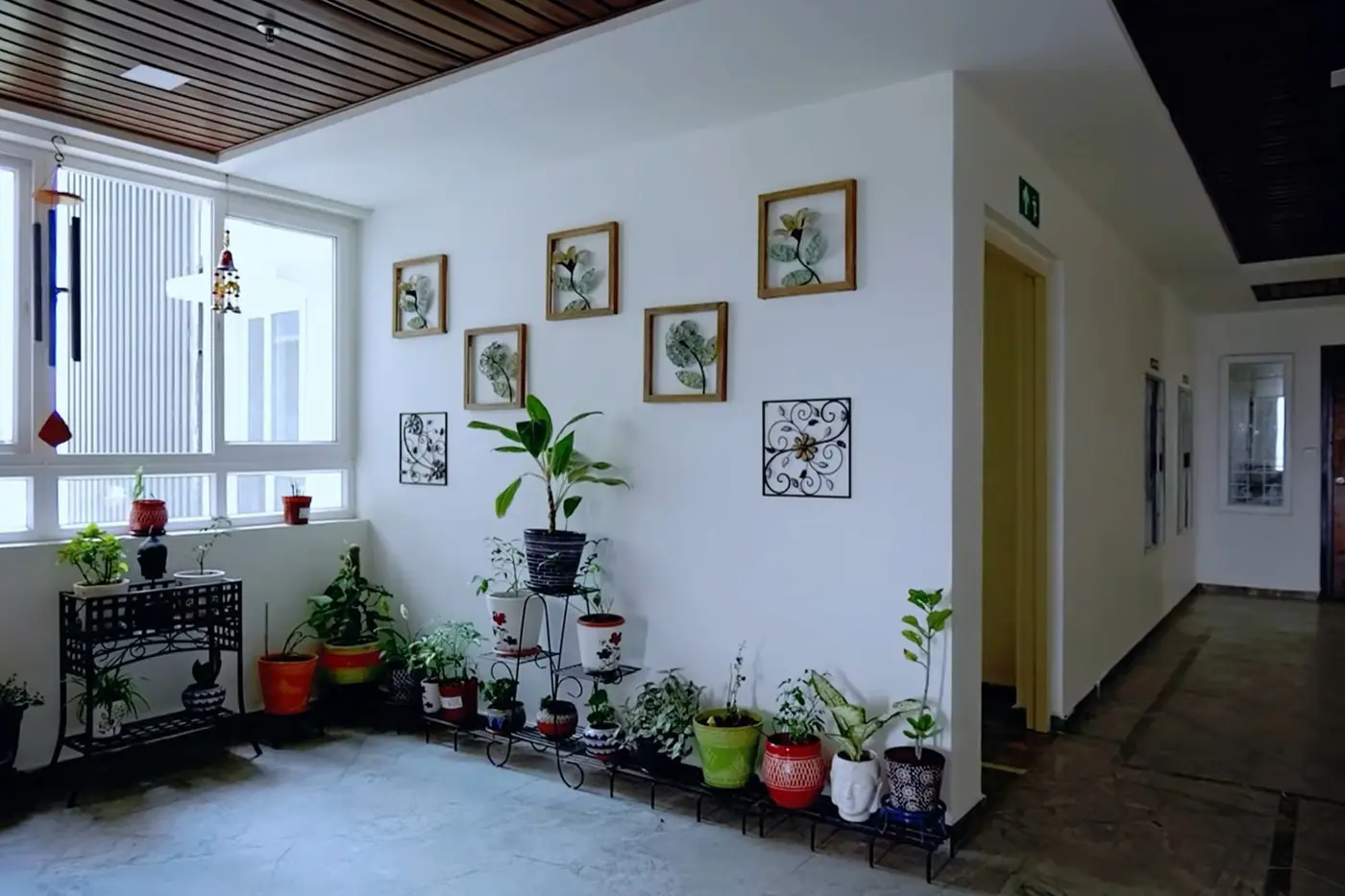
The key is to create intentional styling, not clutter. You do not need to display every object you own.
A personal design direction has a better chance of remaining meaningful because it is based on your preferences rather than a temporary visual trend.
Multifunctional furniture is essential for compact Indian homes
Urban apartments often need to accommodate several activities in the same space. A bedroom may also be a work area, the living room may need extra storage, and a guest room may function as a home office most of the year.
This makes multifunctional furniture and efficient space planning practical priorities for Indian homeowners.
Furniture that does more
- Storage bedsFor seasonal clothing and extra linen.
- Compact work desksThat fit naturally into bedrooms.
- Sofa bedsFor occasional guests.
- Dining tablesThat accommodate everyday meals and work.
- Built-in wardrobesThat use available vertical space effectively.
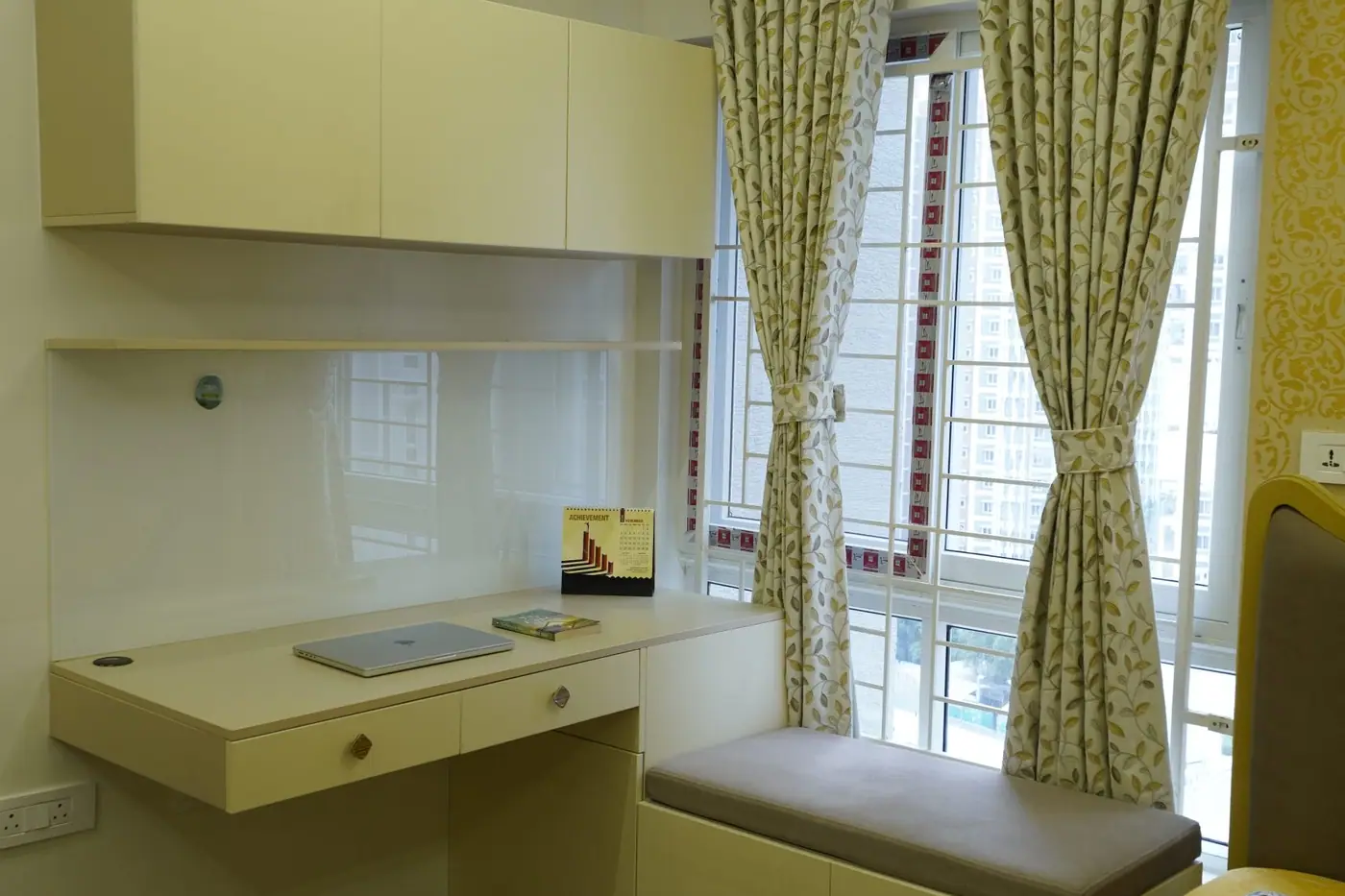
Before adding storage, consider how frequently you will use it and whether it affects movement around the room. A large cabinet is not a good solution if it makes the bedroom uncomfortable to navigate.
The most effective solution is often a straightforward piece of furniture that serves a genuine everyday purpose.
Sustainable interior design is increasingly about longevity
Sustainability is not just about buying products labelled eco-friendly. It can also mean choosing durable materials, maintaining existing furniture, reducing unnecessary replacements and designing a home that adapts to changing needs.
For Indian homeowners, practical considerations include:
- Choosing materials appropriate for local climate and use.
- Checking the durability and maintenance requirements of finishes.
- Repairing suitable existing furniture rather than replacing everything.
- Selecting hardware that can be serviced or replaced.
- Avoiding unnecessary demolition during a renovation.
- Asking suppliers about material composition, certifications and sourcing where relevant.
A more sustainable approach is to make long-term decisions carefully and keep smaller decorative elements flexible.
What's out in 2026? Design choices to reconsider
There is no universal list of styles that have become unusable. However, several approaches deserve a second look when planning luxury home interiors.
Reconsider this, try this instead
| Design approach | What to consider instead |
|---|---|
| One cold grey colour everywhere | A layered palette with warmer or contrasting tones |
| Excessive decorative panelling | Selected feature areas with a clear purpose |
| Glossy finishes on every surface | A considered mix of matte, textured and reflective finishes |
| Matching furniture in every room | Complementary pieces with individual character |
| Overdecorated open shelves | A balance of display and concealed storage |
| Complex false ceilings without a functional reason | Simpler ceiling designs with well-planned lighting |
| Trend-led colours on every permanent surface | Timeless foundations with changeable accents |
| Decorative features that reduce usable space | Designs that respect circulation and everyday needs |
These are not strict rules. Grey, glossy finishes, panelling and elaborate ceilings can still work beautifully when their proportions, materials and context are considered.
The real risk is using a trend without asking whether it suits the home.
What interior design trends could look dated by 2029?
Nobody can predict exactly which trends will disappear. Instead, focus on choices that are costly to reverse or rely heavily on a particular moment in design culture.
Risks, and the better option
| Risk | Why it ages badly | Better option |
|---|---|---|
| Trend overload | A dramatic ceiling, patterned wallpaper, textured walls, sculptural furniture and several statement lights can each look appealing separately but overwhelm the room together. | Choose one or two focal features and let the rest support them. |
| Permanent finishes chosen purely for fashion | A trendy cushion is easy to replace. A full wall of expensive decorative stone or a complete set of custom cabinetry is not. | Use adaptable finishes for permanent elements; experiment through accessories, artwork and selected furniture. |
| Decorative ceilings that reduce the sense of space | An elaborate false ceiling may not suit limited ceiling height, and excessive detailing adds construction complexity and maintenance. | Plan ceiling details around lighting, services, proportions and the room's actual needs. |
| Furniture that looks impressive but is uncomfortable | Oversized sofas and sculptural chairs can obstruct movement or be uncomfortable for everyday use. | Test seating where possible and plan dimensions against the actual room measurements. |
Decorating mistakes that make a home look cheap, even with a generous investment
A premium-looking home is not defined by the price of every item. It is defined by how well the elements work together.
These decorating mistakes that make a home look cheap are worth checking before spending more money on furniture or accessories.
Four mistakes, and the fix
- Poor lighting and wrong furniture proportionsOversized furniture cramps a room; undersized pieces look disconnected; harsh light exaggerates flaws. Fix: measure the room, map walking paths and door openings, and plan lighting before ordering major pieces.
- Cluttered decor and mismatched coloursToo many objects, unrelated finishes and competing colours feel disorganised. Fix: a cohesive palette, a few repeated materials and practical storage for everyday items.
- Wrong rug sizes and curtain placementA small rug separates the seating; poorly proportioned curtains make windows feel awkward. Fix: measure the full seating arrangement, and plan tracks, coverage and lengths before installation.
- Cheap-looking finishes and poor detailsUneven cabinet gaps, misaligned shutters, exposed wiring and rough edges undermine good design. Fix: review samples, hardware specifications, working drawings and installation quality.
If you are asking why your home looks cheap despite investing in good furniture, inspect the overall composition before buying more decor. The issue may be lighting, proportions, colour coordination or execution rather than the products themselves.
How Simplify Home helps prevent costly design mistakes
Many interior problems begin before installation, when furniture dimensions, material combinations, storage requirements or lighting positions have not been properly planned.
Simplify Home offers interior design consultancy for homeowners who need professional design direction, as well as turnkey interior design and build for those seeking a more comprehensive execution service. Design development, visualisation and working drawings help clarify important decisions before they move into execution.
For homeowners planning a new apartment or villa, the right level of professional support can make the process more organised and help reduce avoidable design mismatches.
If you are planning a complete home interior, explore Simplify Home's turnkey interior design and build services to understand the available support for design, procurement, execution and handover.
How to create premium-looking interiors that will last beyond 2026
If you want your home to feel current without needing a major redesign every few years, follow these six principles.
Six principles for interiors that last
- Invest in the layout firstPlan furniture sizes, storage, electrical points and circulation before selecting decorative elements.
- Build a cohesive material paletteChoose complementary flooring, wood finishes, wall colours, hardware and fabrics. View physical samples together before approving them.
- Separate permanent decisions from temporary trendsGive more thought to kitchen cabinets, flooring and fixed joinery. Use accessories, artwork and smaller pieces to experiment with changing styles.
- Prioritise lighting and workmanshipGive lighting, hardware, installation quality and finishing details their share rather than spending the entire investment on statement pieces.
- Choose materials for your lifestyleConsider dust, sunlight, moisture, cooking residue, cleaning routines and maintenance before making a selection.
- Personalise the space graduallyStart with essential furniture and finishes. Add artwork, plants, textiles and meaningful objects over time instead of filling every surface at once.
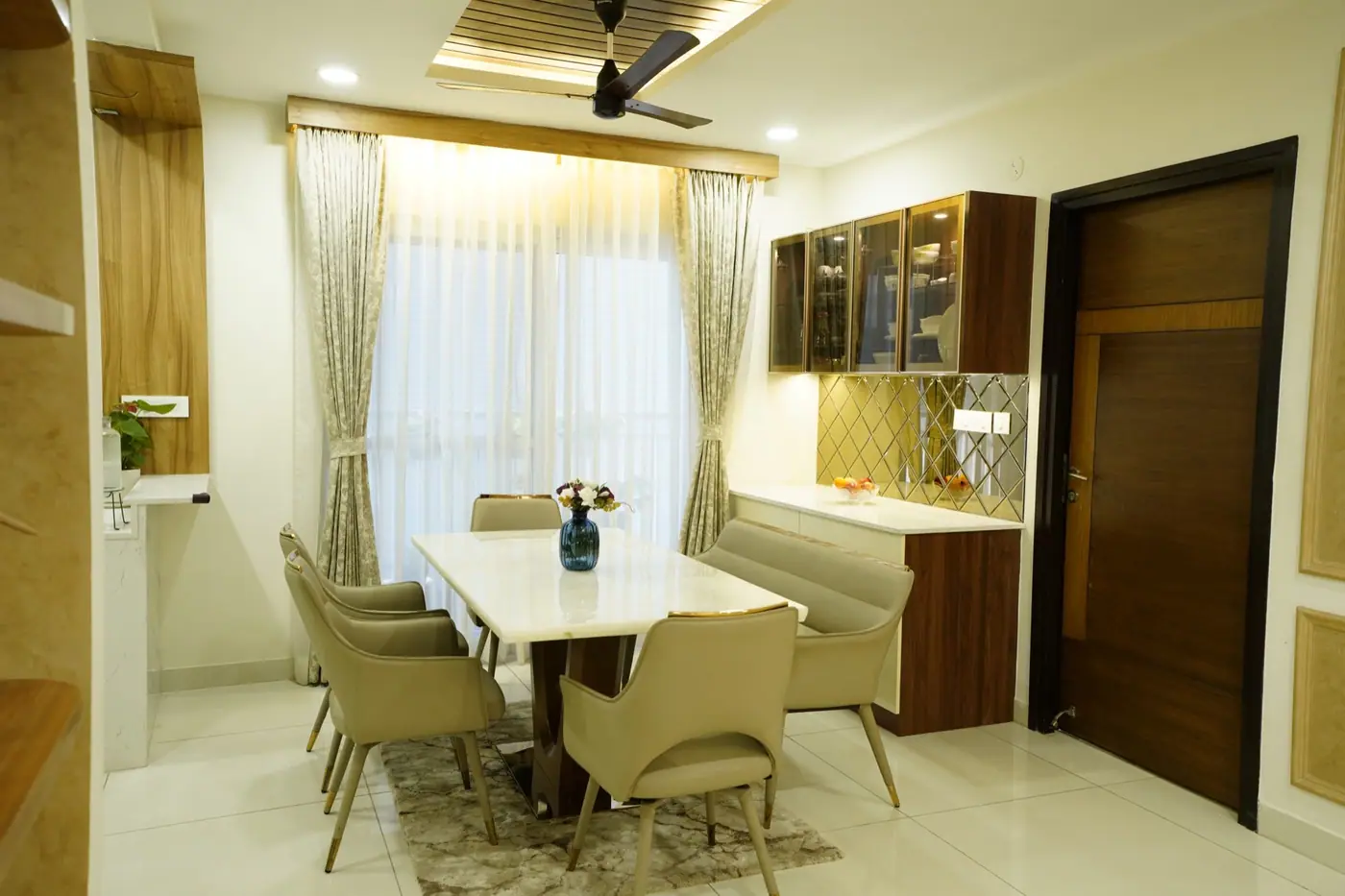
These principles help create timeless interior design that can evolve with your family while retaining a consistent overall look.
Planning new home interiors? Start with the design, not the trend
Choosing individual products is only one part of designing a home. The harder decisions involve making the layout, lighting, finishes, furniture and estimation work together.
For homeowners planning apartment interior design or villa interior design, Simplify Home offers different service options depending on the level of support required.
Simplify Home services
- Interior design consultancyDesign guidance, space planning, concept development, 3D visualisation and material direction.
- Turnkey interior design and buildA comprehensive service covering design, procurement, execution, styling and handover.
- Project management consultancyOversight of costs, vendors, timelines and quality for homeowners managing their own fit-out.
The right option depends on how much support you need and who will manage the work.
Before deciding which direction suits your property, preferences and investment, explore the Simplify Home portfolio for residential interior inspiration. You can also review all interior design services offered by Simplify Home to identify the type of support that best fits your project.
Conclusion: The best interior design trend is a home that still works for you
The biggest interior design trends of 2026 show that good interiors do not need to follow every new idea.
Warm colours, natural textures, thoughtful lighting and personal details can make a home feel inviting. But a functional layout, suitable materials, careful proportions and good finishing help it remain practical for years.
Before investing in any major design feature, ask
- Does it suit the way my family lives?
- Will it be practical to maintain?
- Will the rest of the home still work if this trend loses popularity?
If you are planning a new apartment or villa, Simplify Home can help you evaluate design options, coordinate materials and develop an interior plan that reflects your lifestyle.
Book your design consultation by exploring Simplify Home's interior design services and start planning a home that feels considered, functional and personal.
Frequently asked questions
What are the biggest interior design trends in 2026?
The prominent interior design trends of 2026 include warm colour palettes, natural materials, textured finishes, layered lighting, personalised decor and multifunctional furniture. Their suitability depends on your home's proportions, maintenance needs and lifestyle.
Which interior design trends will look dated by 2029?
No one can predict this with certainty. Overusing decorative features, copying a complete trend aesthetic or choosing permanent finishes purely for fashion can make interiors feel dated sooner. Flexible accents and a well-planned layout help reduce that risk.
Are grey interiors going out of style in 2026?
No. Grey can still look sophisticated when paired with suitable lighting, textured materials, wood finishes and contrasting colours. The issue is using the same cold grey shade everywhere without considering the overall composition.
How can I make my home look expensive without overspending?
Focus on good lighting, appropriately sized furniture, coordinated finishes, clean installation and organised storage. You can often improve the overall appearance of a room without replacing everything.
Which colours are best for Indian home interiors in 2026?
Warm white, sand, beige, earthy brown, muted olive and terracotta are useful starting points. Test samples in the actual room and alongside flooring, furniture and lighting before finalising the palette.
Should I follow interior design trends when planning a new home?
Use trends for inspiration, but evaluate them for comfort, durability, maintenance and cost. Prioritise long-term decisions for fixed elements and use changeable decor to experiment.
How do I choose an interior designer for my home in Hyderabad?
Review the designer's portfolio, understand the scope of services, clarify the estimation and timelines, and check how materials, working drawings, execution and quality are managed. Choose a service model that matches the level of involvement you want.