On-Site Carpentry vs Factory Finish Interiors: What’s Right for Your Home?
When planning interiors, one of the most confusing decisions homeowners face is this:
Should you choose traditional on-site carpentry or factory-finished (modular) interiors?
Both approaches are widely used. Both have their place. But they are not the same, and choosing the wrong one can affect finish quality, timelines, durability, and long-term peace of mind.
At Simplify Home, we work with both methods strategically, depending on where each performs best. This blog breaks down the real differences without marketing noise.
Understanding the Two Approaches
What Is On-Site Carpentry?
On-site carpentry means furniture and interiors are built at your home, piece by piece, by carpenters using raw materials.
This is commonly used for:
- Custom wardrobes
- Beds
- TV units
- Pooja units
- Wall paneling
What Is Factory Finish (Modular)?
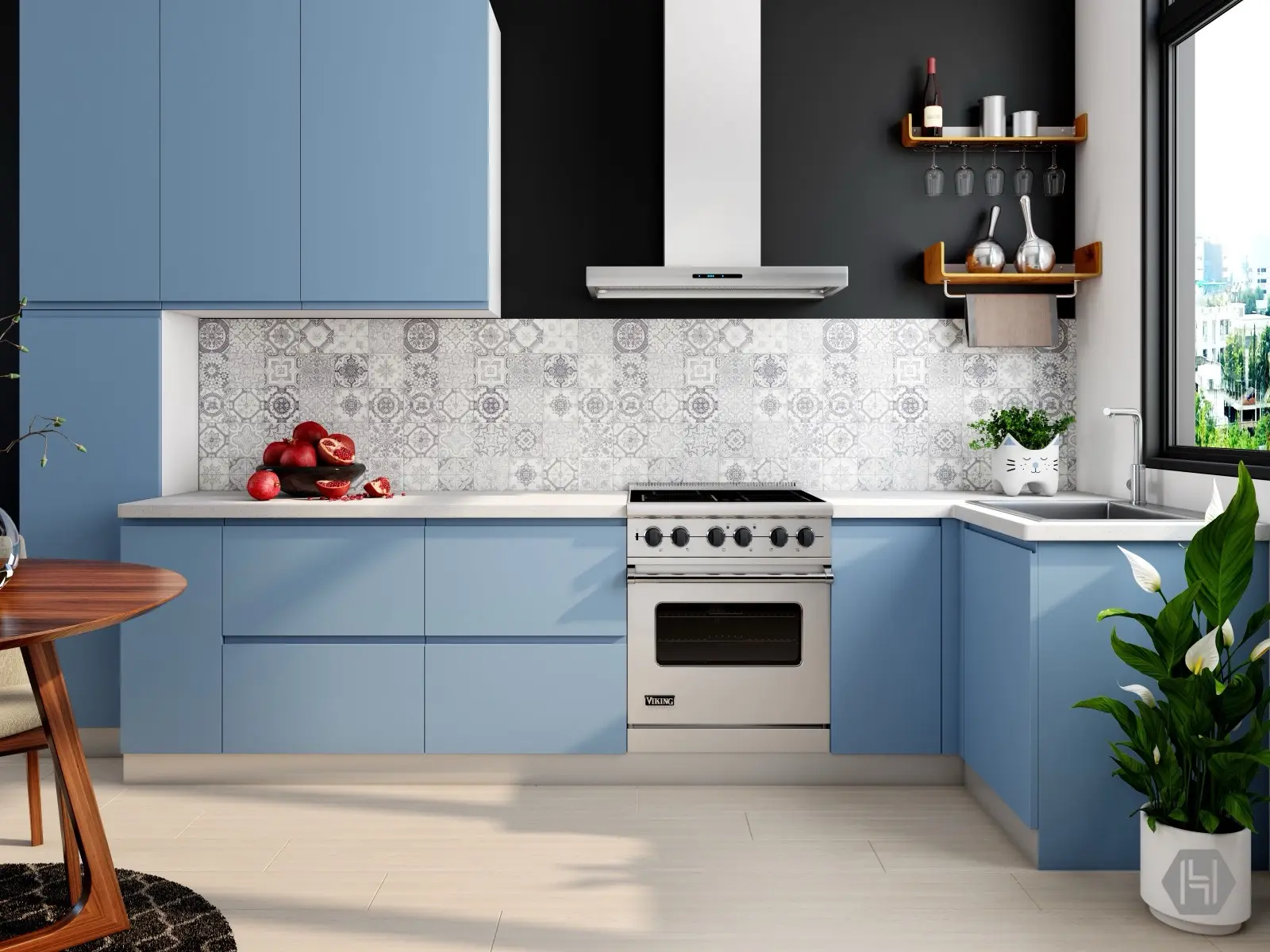
Factory-finished interiors are manufactured in controlled factory environments using machines, then transported and installed at your home.
This is commonly used for:
- Modular kitchens
- Modular wardrobes
- Storage systems
- Cabinets with precise finishes
Finish Quality: Handcrafted vs Machine Precision
On-Site Carpentry
- Finish quality depends heavily on the carpenter’s skill
- Edges may not be perfectly uniform
- Laminate pasting and polish can vary
- Results differ from one project to another
Factory Finish
- Machine-pressed laminates
- Smooth, consistent edge banding
- Uniform colour and texture
- Predictable, premium finish
If visual consistency and finesse matter, factory finish has a clear advantage.
Time Required: Slow Build vs Faster Installation
On-Site Carpentry
- Takes weeks or even months
- Your home becomes a temporary workshop
- Noise, dust, and constant supervision are common
Factory Finish
- Manufactured off-site (usually 3 to 4 weeks)
- Installation completed in a few days
- Minimal disturbance inside your home
For busy homeowners, NRIs, or families living on-site, factory finish saves time and stress.
Cost: Flexible vs Predictable
On-Site Carpentry
- Looks cheaper initially
- Costs can increase due to material wastage, labour delays and design changes
- Final cost often differs from the original estimate
Factory Finish
- Slightly higher upfront cost (around 10 to 20%)
- Fixed pricing
- No hidden surprises
- Clear scope and accountability
Factory finish offers budget certainty, which premium homeowners value.
Durability & Longevity
On-Site Carpentry
- Can be very durable if properly supervised
- Glue application and finishing quality vary
- Over time, moisture and termites can become issues
Factory Finish
- Machine-pressed laminates
- Sealed edges reduce moisture entry
- Better resistance to warping and termites
Factory finishes perform more consistently over the years.
Flexibility During Execution
On-Site Carpentry
- High flexibility
- Changes can be made instantly during work
- Useful when designs are evolving
Factory Finish
- Low flexibility after final approval
- Once production starts, changes are not possible
On-site carpentry works better when design decisions are still fluid.
You may also find this helpful: NRI Interior Design in Hyderabad
Mobility & Future Relocation
On-Site Carpentry
- Permanently fixed
- Cannot be dismantled or reused
Factory Finish
- Can be dismantled and reinstalled
- Ideal for tenants or future relocation
Modular interiors offer long-term adaptability.
So, Which One Is Better?
The truth is neither is “better” on its own.
The best interiors use both intelligently.
At Simplify Home, We Use:
- Factory finish where precision, speed, and durability matter (kitchens, wardrobes)
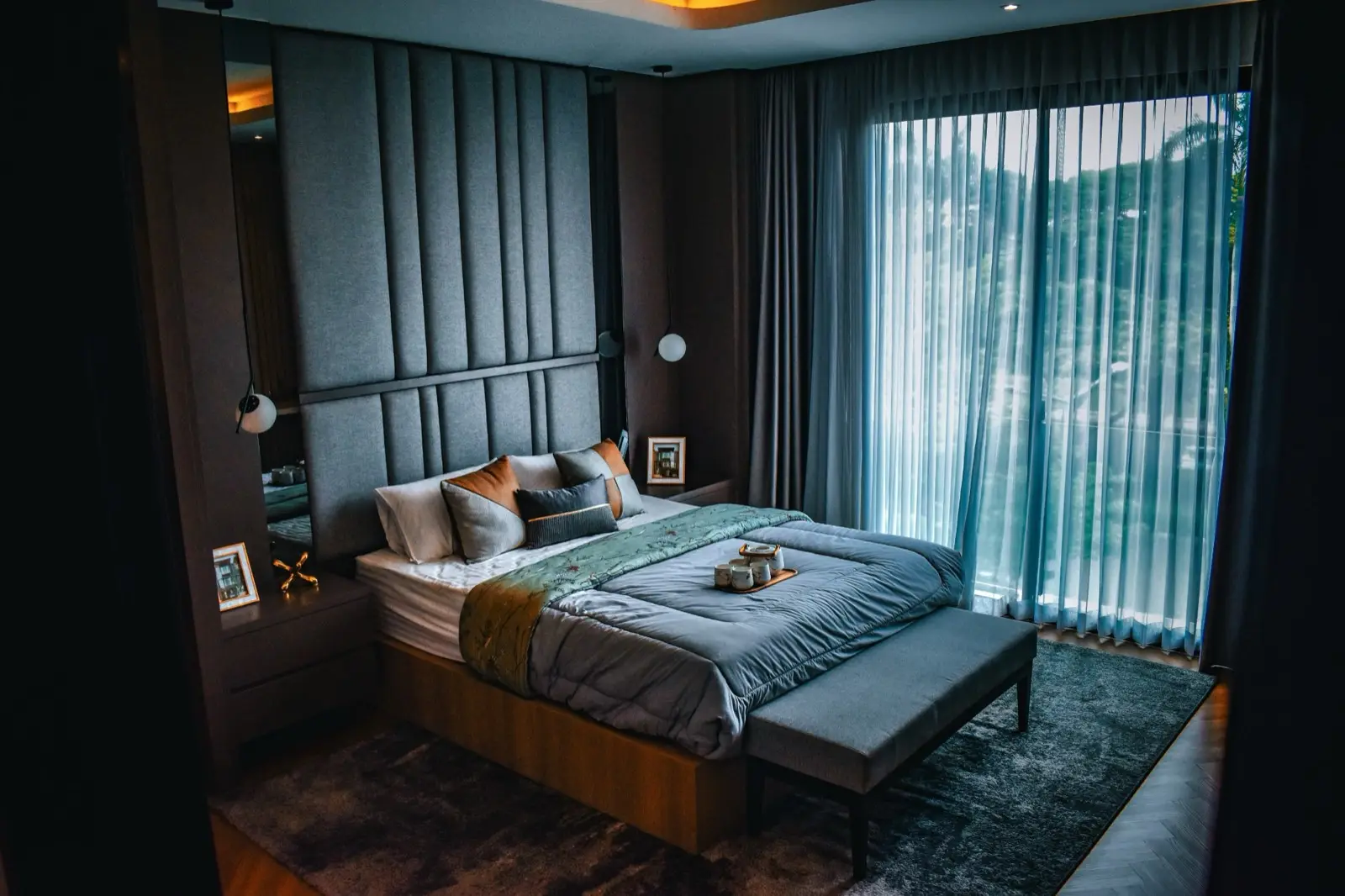
- On-site carpentry where custom detailing and flexibility are needed (feature units, wall panels, bespoke furniture)
This hybrid approach delivers:
- Premium finish
- Better timelines
- Long-term performance
- Design freedom
How Simplify Home Gets It Right
At Simplify Home, interiors are not about choosing sides. They are about choosing what works best for your home.
Our process includes:
- Evaluating each space individually
- Deciding factory vs on-site based on function
- Using premium-grade materials in both methods
- Strict quality checks on-site and at factory
- Clear communication and transparency
The result? Interiors that look refined, feel solid, and age well.
Final Thoughts
On-site carpentry and factory-finished interiors are not competitors; they are tools.
What matters is how thoughtfully they are used.
If you're building a premium home and want interiors that balance craftsmanship, precision, durability, and peace of mind, the answer is not choosing one over the other. It is choosing the right interior partner.
At Simplify Home, we design interiors that are built smart, not just built fast.
Frequently asked questions
Which is better: on-site carpentry or factory finish interiors?
Neither is universally better. Factory finish interiors offer superior precision, consistency, and faster installation, while on-site carpentry provides greater flexibility for custom changes. The best homes often use a combination of both.
Are factory finish interiors more expensive than on-site carpentry?
Factory finish interiors usually have a slightly higher upfront cost, but they offer fixed pricing, minimal wastage, and fewer delays, which often makes them more cost-efficient in the long run.
Do factory finish interiors last longer than on-site carpentry?
Yes, in most cases. Factory-finished units use machine-pressed laminates, sealed edges, and controlled processes, which improve durability and resistance to moisture and termites.
Can I make design changes once factory production starts?
No. Factory finish interiors require finalized designs before production. On-site carpentry allows more flexibility for last-minute changes during execution.
What approach does Simplify Home recommend for premium interiors?
Simplify Home uses a hybrid approach: factory finish for kitchens and wardrobes, where precision matters, and on-site carpentry for bespoke elements. This gives the best balance of finish, flexibility, and longevity.