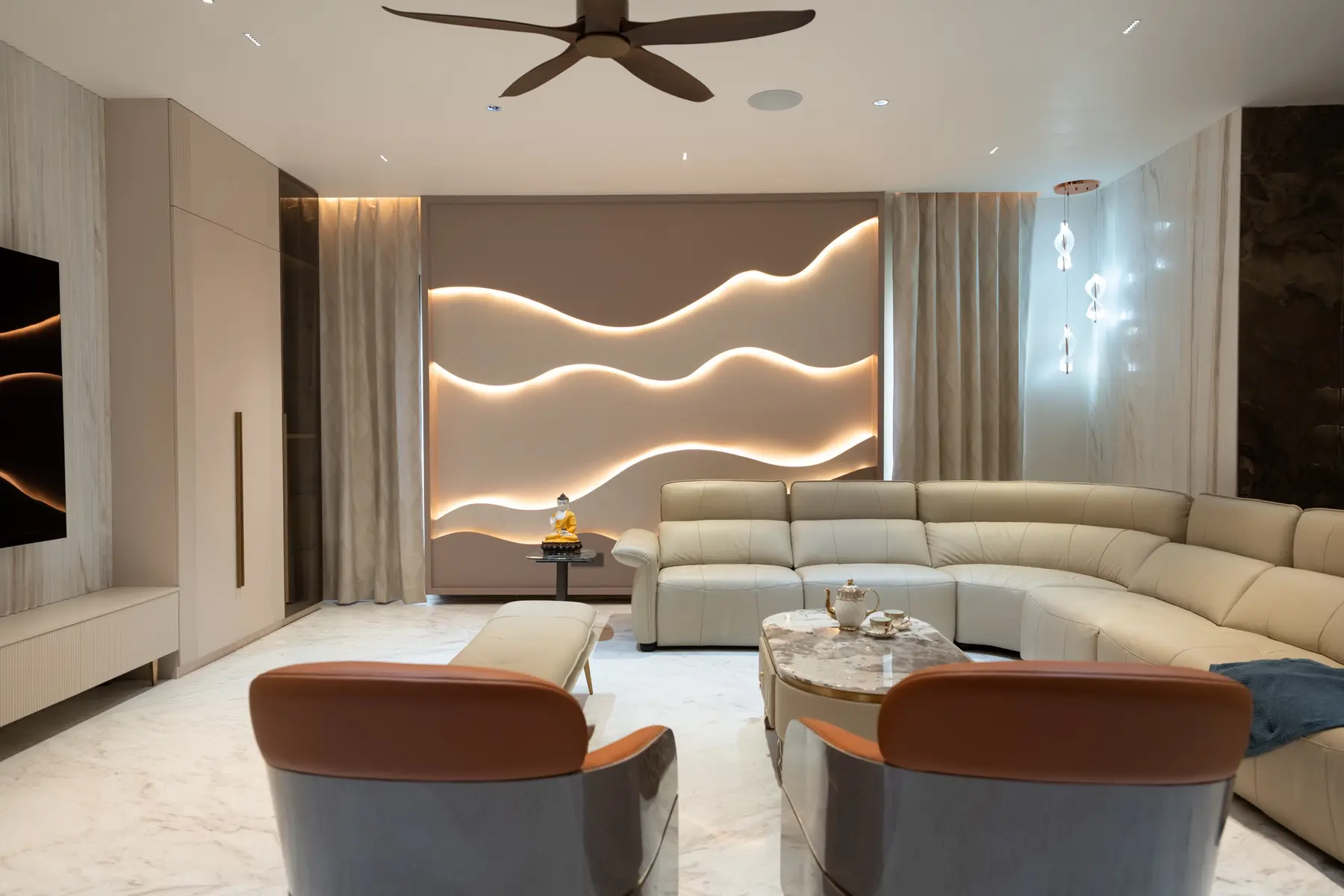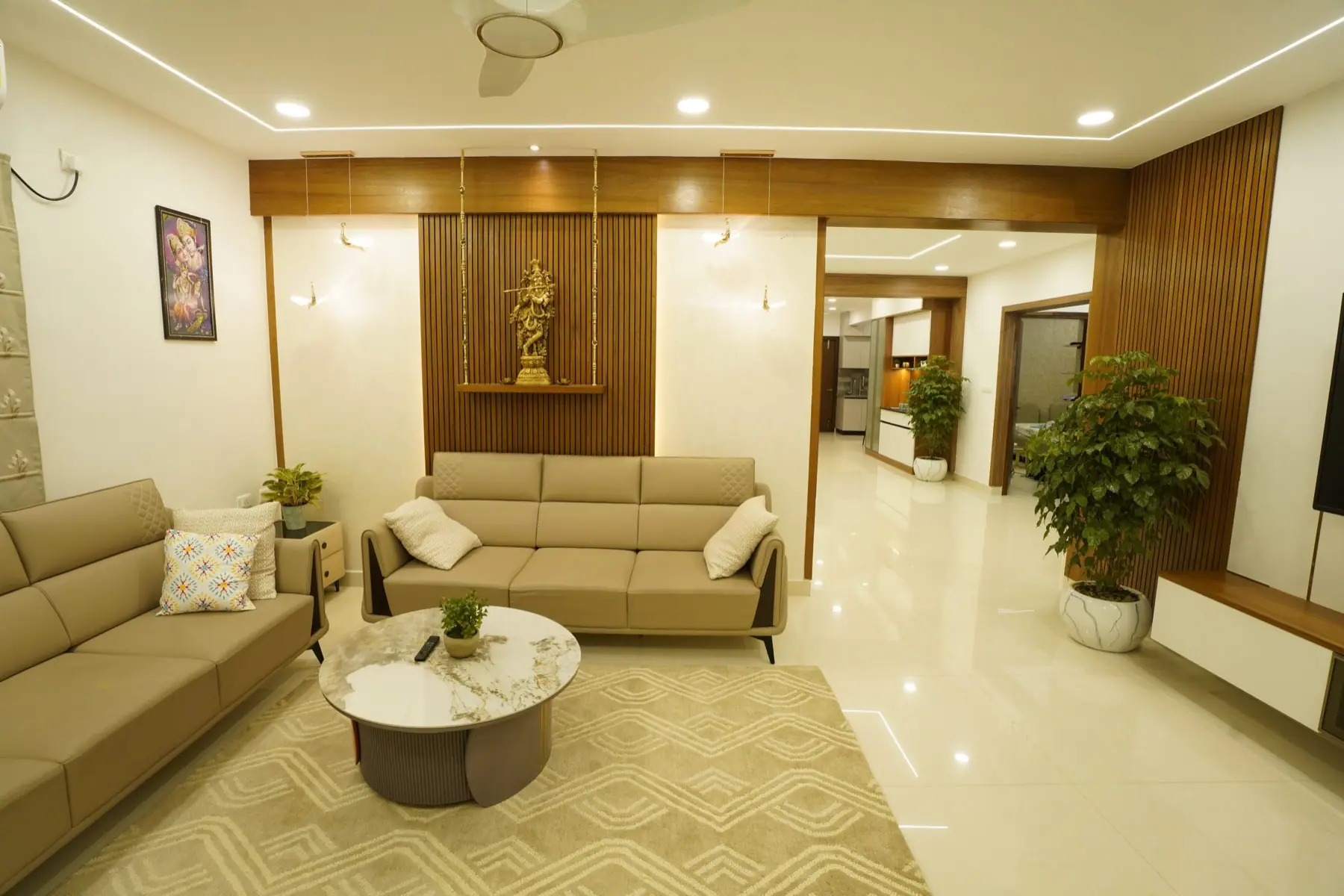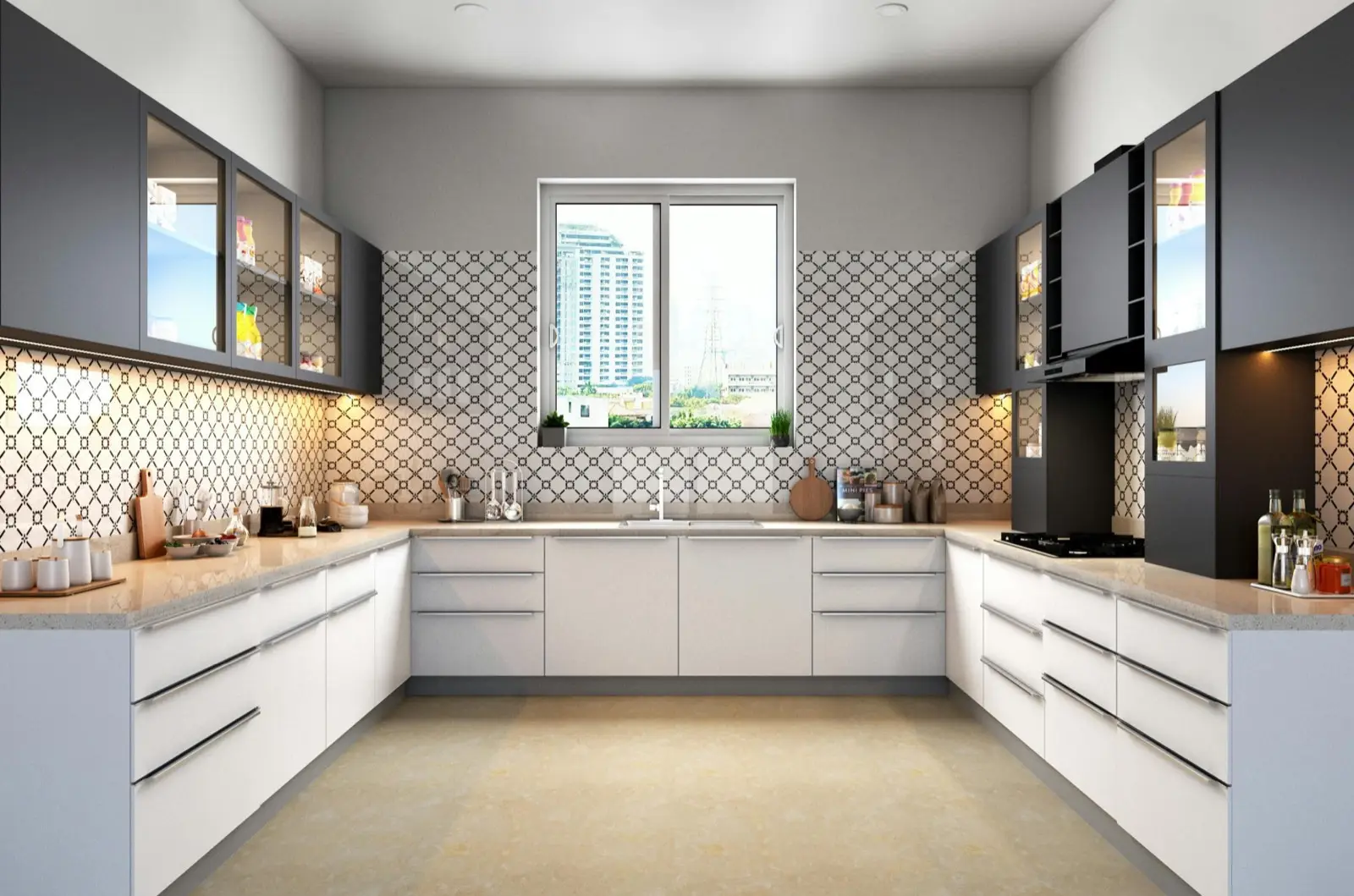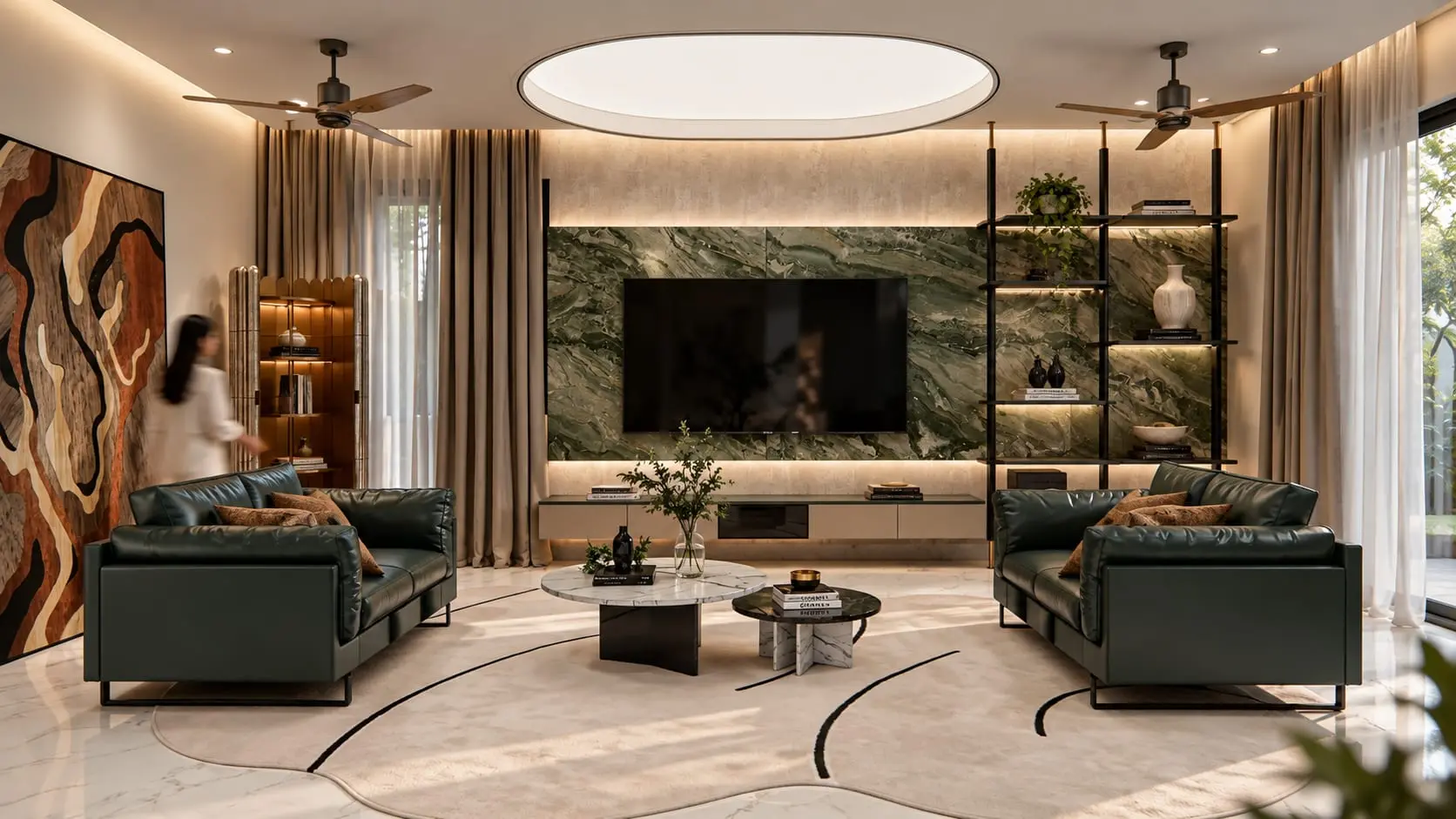
You find a beautiful living room on Pinterest. The colours are perfect, the furniture looks elegant, the lighting creates the right mood, and every detail seems thoughtfully placed. You save the image, share it with your interior designer and decide that you want the same look for your home.
But when the design is finally executed, something feels different. The room looks more crowded than expected. The furniture does not fit quite right. The colours look different under your home's lighting, and the overall space does not feel as beautiful as the reference image.
This happens more often than homeowners realise. Pinterest is an excellent source of inspiration for home interiors. It helps you discover styles, explore colour combinations and understand what you like. However, there is a difference between taking inspiration from a design and copying it exactly.
Before recreating a Pinterest interior, it is important to understand why copying a reference image without proper planning can become an expensive mistake.
Why a copied Pinterest room rarely looks the same
- Different layoutColumns, windows, doors and room sizes change what fits
- Hidden detailsA photo shows one angle, not storage, wiring or workflow
- Colour and lightShades and finishes shift under your home's light
- Trend overloadMixing every saved trend makes a home feel disconnected
- Everyday practicalitySome finishes look stunning but are hard to maintain
- Hidden costSimple-looking pieces can need custom work and premium materials
- Lighting planSame fixtures, different room, different effect
- Fine detailingAlignments, gaps and junctions need proper drawings
Every Home Has a Different Layout and Space
One of the biggest mistakes homeowners make is assuming that a design that works beautifully in one home will work just as well in another.
Consider a Pinterest living room with a large L-shaped sofa, a statement coffee table, a decorative wall unit and an open passage. It may look spacious because the original home has generous dimensions. But placing the same furniture in a compact apartment living room can restrict movement and make the space feel cramped.
Even homes with similar carpet areas can have completely different layouts. The placement of columns, windows, doors, balconies and structural walls can change how furniture and storage should be planned.
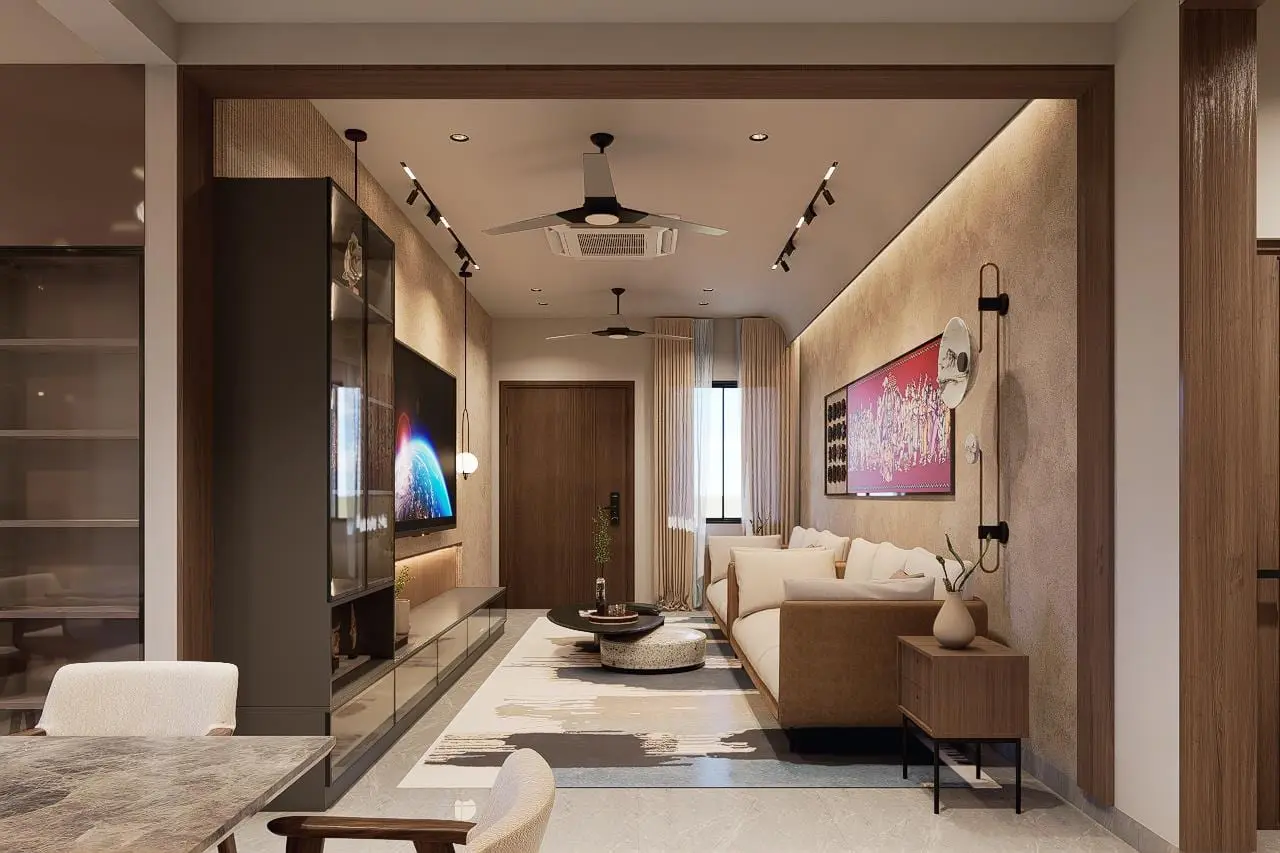
At Simplify Home, space planning begins with understanding the actual floor plan and measuring individual areas. The team studies furniture dimensions, movement clearances, door openings, storage requirements and circulation before finalising layouts. Instead of directly reproducing a reference, the design is adapted to suit the home's proportions and everyday usage.
This helps ensure that the finished space looks balanced without compromising functionality.
Pinterest Photos Do Not Show the Entire Design
A Pinterest photograph usually captures the most attractive angle of a room. It does not show everything behind the frame.
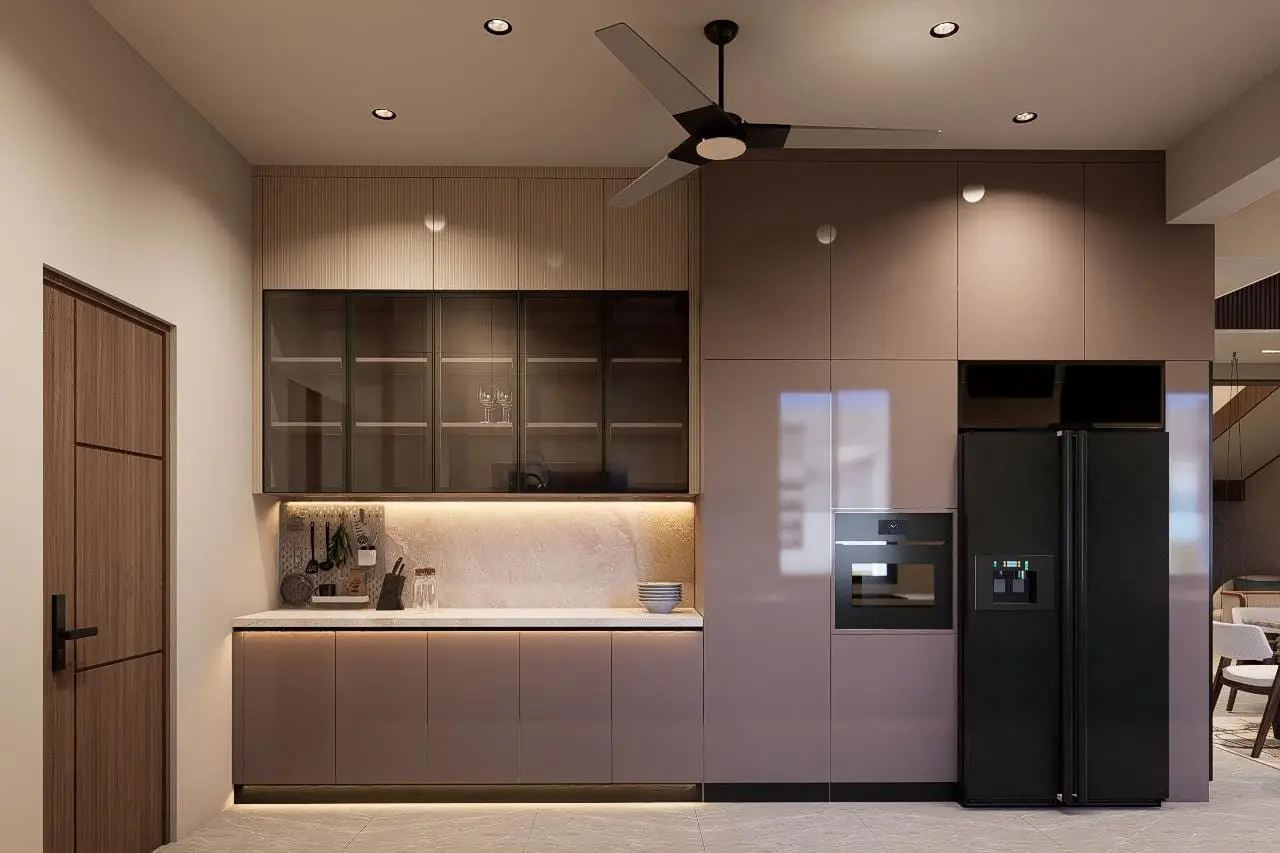
You may see a beautifully designed kitchen, but the image may not reveal the available storage, appliance placement, internal accessories, countertop depth or workflow between the sink, hob and refrigerator.
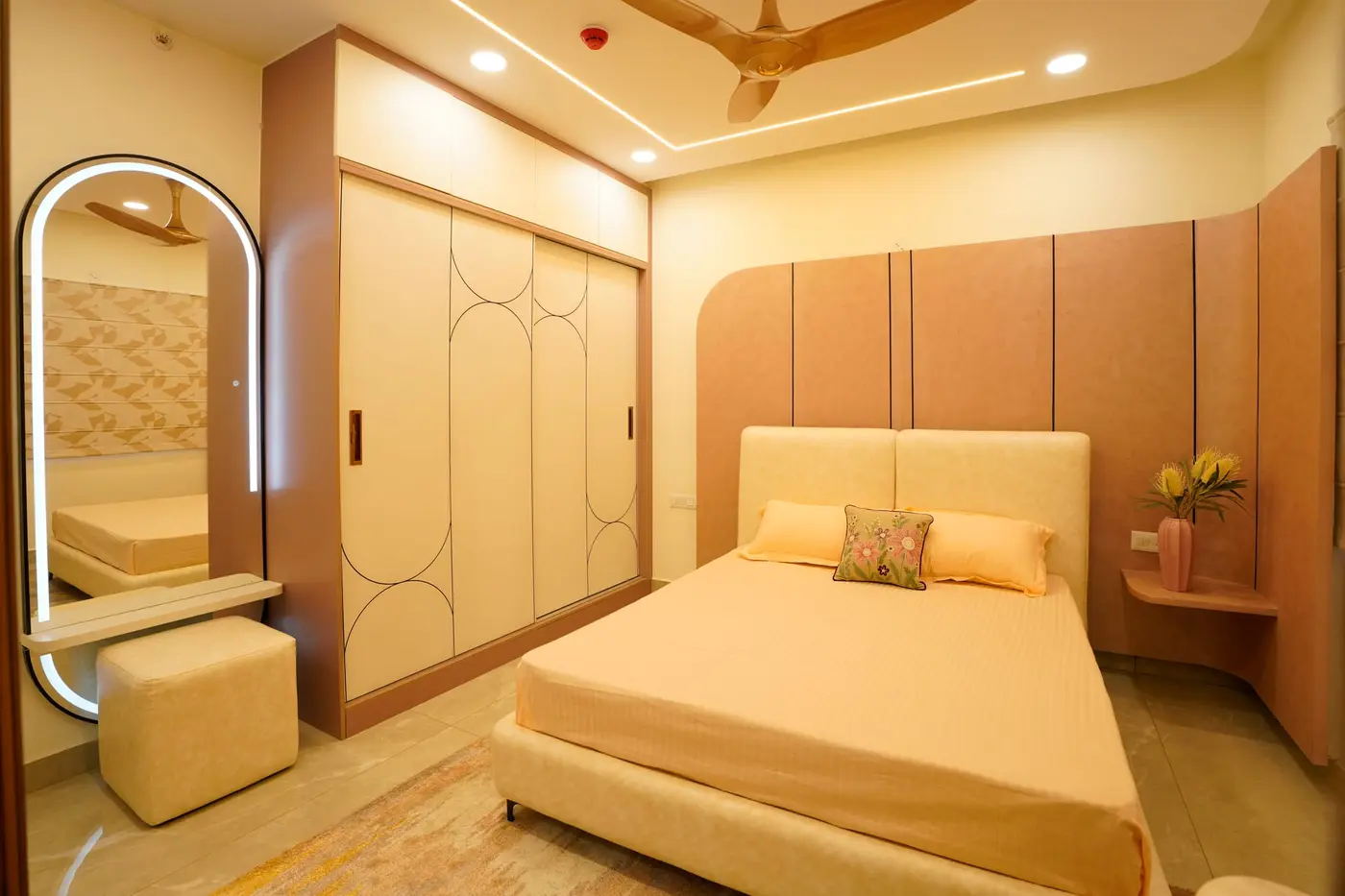
Similarly, a bedroom photograph might show an elegant bed with pendant lights and decorative wall panels. However, it may not reveal the wardrobe's internal storage, electrical provisions, passage clearance or how the room functions when everything is being used.
This is where copying an image without understanding its design becomes a problem.
A visually attractive reference should be studied beyond its appearance. Ask questions such as:
- How much storage does this design actually provide?
- Are the furniture dimensions suitable for my room?
- Where are the electrical switches and charging points?
- Does the layout allow comfortable movement?
- Are the materials practical for everyday use?
- Can the same design accommodate my family's requirements?
The Same Colours and Materials May Look Different in Your Home
Have you ever saved a beautiful beige bedroom or a warm wooden kitchen from Pinterest, only to find that the same shades look completely different when you see them in person?
There is a reason for this.
Colours and materials are influenced by several factors, including natural light, artificial lighting, room orientation, surrounding finishes and the surface on which they are used.
For example, a warm beige shade may look soft and inviting in a room with plenty of natural light. In a room with limited daylight, the same shade might appear dull or darker than expected.
The same applies to materials. A wooden finish that looks premium in a photograph may not complement your flooring, wall colour or existing furniture.
Lighting also plays an important role. Warm lighting, cool lighting and daylight can change how the same material appears.
Instead of selecting materials only from reference images, compare actual samples in the intended space. Look at them under different lighting conditions and alongside other selected finishes.
Simplify Home's design process considers how materials, colours, textures and lighting work together before finalising the overall palette. This helps create a coordinated interior rather than a collection of individually attractive finishes.
Following Trends Can Make Your Home Less Personal
Pinterest is constantly filled with trending interior styles. From minimalist beige homes and fluted panels to curved furniture, statement ceilings and luxurious marble finishes, there is always something new to save.
The problem begins when homeowners try to include every trend they like in one home.
A curved sofa from one reference, a fluted TV unit from another, a marble feature wall from a third and a completely different ceiling design may all look beautiful individually. But when combined without a consistent design direction, the home can feel visually disconnected.
Trends also change. A design that looks exciting today may not feel as appealing a few years later.
Your home should reflect your personality, preferences and lifestyle rather than simply replicate what is currently popular online.
Think about how you actually live. Do you prefer open spaces or clearly defined rooms? Do you entertain guests frequently? Do you need additional storage? Do you prefer minimal maintenance or are you comfortable maintaining delicate finishes?
At Simplify Home, the design direction is developed around the homeowner's preferences and requirements. Reference images help the team understand the preferred aesthetic, but the final design brings those ideas together into a consistent look that suits the family and the home.
A Beautiful Reference May Not Be Practical for Everyday Living
A room can look stunning in a photograph and still be difficult to maintain.
Think about a white upholstered sofa in a home with young children, an open display shelf that collects dust, or a glossy kitchen finish that requires frequent cleaning.
These choices are not necessarily wrong. They simply need to be evaluated against the way the household functions.
Pinterest-inspired choices and what to consider
| Pinterest-inspired choice | What you should consider |
|---|---|
| Open kitchen shelves | Dust accumulation and daily maintenance |
| White fabric sofas | Stains, spills and cleaning requirements |
| Glossy kitchen cabinets | Fingerprints, reflections and upkeep |
| Large statement furniture | Available floor space and movement |
| Open wardrobes | Dust protection and organisation |
| Delicate decorative finishes | Durability and maintenance |
| Floor-to-ceiling curtains | Cleaning access and window requirements |
Before choosing a design, consider how much maintenance it will require and whether it fits your daily routine.
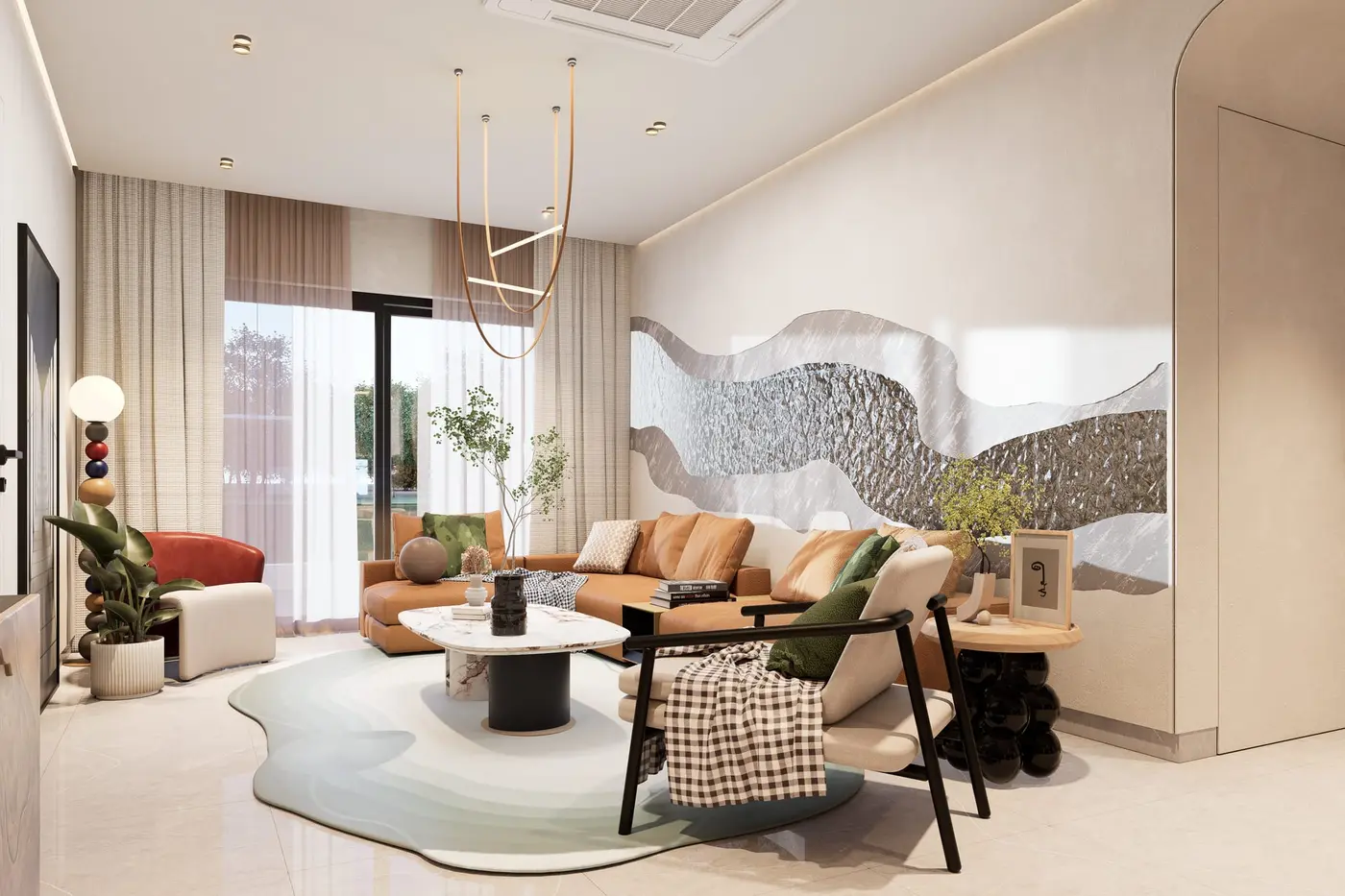
A practical interior does not have to look ordinary. With the right materials, detailing and planning, functionality and aesthetics can work together.
Copying a Design Can Push Up Your Interior Estimation
Another common misconception is that recreating a Pinterest design will cost approximately the same as the home shown in the photograph.
However, the final cost depends on more than the visible design.
A photograph may show a simple-looking TV unit, but the actual execution could involve custom carpentry, concealed lighting, premium finishes, specialised hardware and detailed wall treatments.
Similarly, a Pinterest kitchen may appear minimal, but its cost could include high-end shutters, internal accessories, premium countertops, built-in appliances and customised storage.
When homeowners finalise a design based only on appearance, additional requirements may emerge during execution. Changes to materials, dimensions, finishes or layouts can increase the overall estimation.
For example, if you love a Pinterest kitchen, you may want to prioritise its colour palette, cabinet style and lighting rather than reproduce every material and accessory.
This allows you to retain the overall design character while making sensible decisions about where to invest.
Your Home May Need a Different Lighting Plan
Lighting is one of the most overlooked aspects when copying Pinterest interiors.
A photograph may show a bedroom with beautiful pendant lights, concealed cove lighting and soft ambient illumination. But simply installing the same fixtures will not necessarily recreate the same effect.
The result depends on the room's dimensions, ceiling height, natural light, furniture arrangement and the intended use of each area.
What each room needs from its lighting
- KitchenSufficient task lighting for cooking and preparation
- Living roomA combination of general, ambient and accent lighting
- BedroomComfortable light for relaxation, plus light for reading
The position of lights matters just as much as the fixtures themselves.
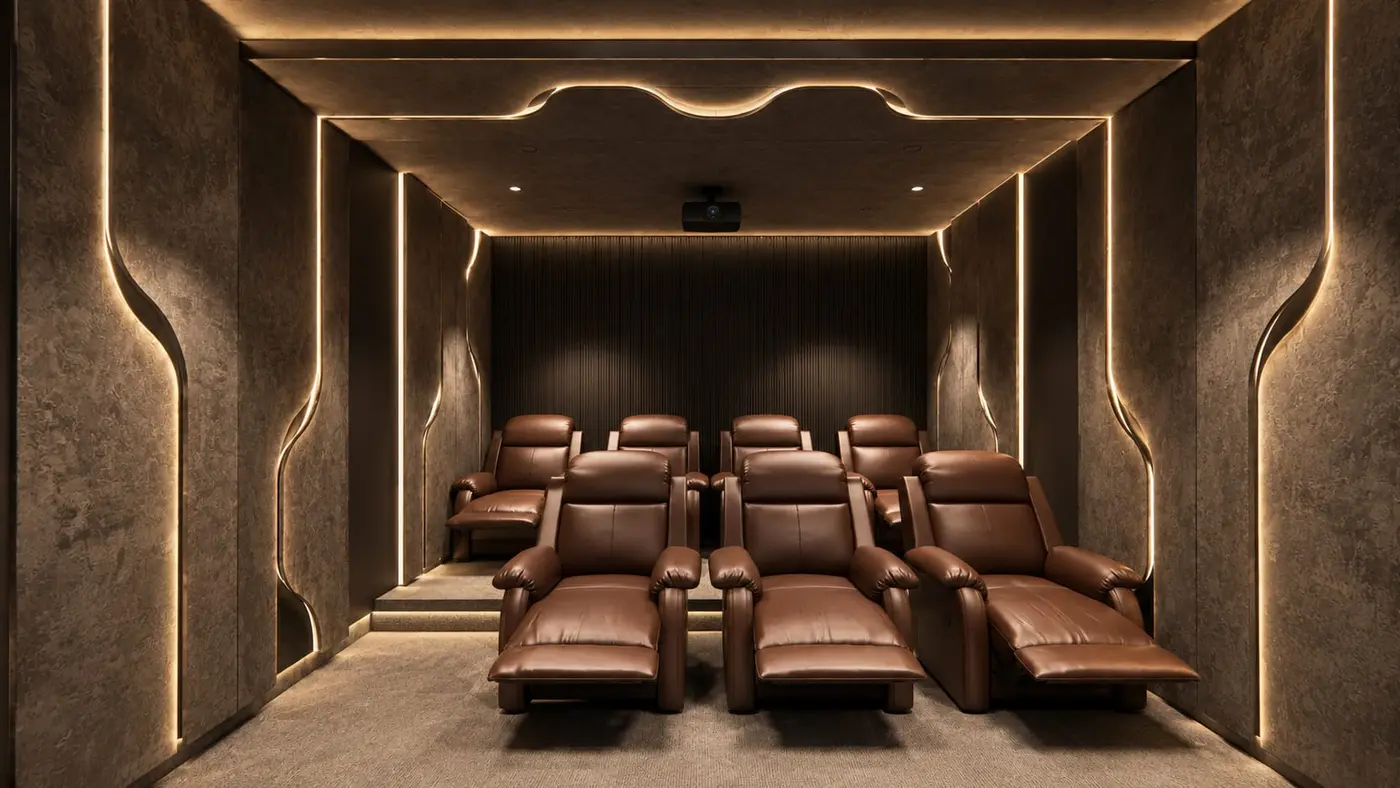
Lighting should be planned alongside the furniture layout and ceiling design, not treated as a decorative addition at the end.
A well-planned lighting scheme can make even a simple interior feel warm, balanced and inviting.
Small Design Details Can Be Difficult to Recreate Without Proper Drawings
Sometimes, the difference between a Pinterest-inspired room and a well-executed interior comes down to details that are barely noticeable in photographs.
These may include:
- Alignment of wall panels and furniture.
- Gaps between cabinet shutters.
- Placement of handles and hardware.
- Concealed lighting profiles.
- Junctions between different materials.
- Edge detailing and finishing.
- Electrical and switchboard positions.
- Consistent proportions across the room.
When these details are not planned properly, the final result may look different from the reference even if similar materials and colours are used.
At Simplify Home, design development involves translating the approved concept into practical drawings and execution details. Dimensions, furniture arrangements, material selections, lighting positions and relevant site requirements are reviewed so that the design team and execution team work towards the same outcome.
This coordination is particularly important for customised interiors, where small inaccuracies can affect the overall finish.
The Best Interior Design Is Inspired by You, Not Just Pinterest
There is nothing wrong with saving hundreds of interior design references. In fact, they can be extremely helpful when communicating your preferences to an interior designer.
The important thing is to use them correctly.
Instead of asking for an exact copy, identify what you genuinely like about each reference.
Perhaps it is the colour combination in one image, the storage arrangement in another, the lighting in a third and the furniture style in a fourth.
When these preferences are understood together, they can become the foundation of a design that feels cohesive and personal.
A better way to use Pinterest when planning your home interiors
- Collect referencesSave images of rooms, furniture, colours and finishes that appeal to you.
- Identify common preferencesLook for recurring colours, materials, styles and design elements.
- Separate appearance from functionalityDecide which elements you like visually and which features you actually need.
- Share your requirementsExplain your lifestyle, storage needs, family requirements and estimation.
- Adapt the designWork with your designer to modify the references according to your home's layout and dimensions.
- Review the design before executionCheck layouts, materials, finishes, lighting and drawings before finalising the work.
At Simplify Home, this process begins with understanding the homeowner's expectations and studying the actual space. The team uses references as creative direction, develops layouts and design visualisations, and works towards a solution that balances the desired appearance with functionality and execution requirements.
The objective is not to reproduce somebody else's home. It is to create a home that feels right for the people living in it.
How to Tell If a Pinterest Interior Will Work for Your Home
Before finalising any Pinterest-inspired design, use this simple checklist.
Pinterest interior checklist
| What to check | Why it matters |
|---|---|
| Room dimensions | Ensures furniture and storage fit comfortably |
| Furniture proportions | Prevents overcrowding |
| Natural lighting | Helps determine suitable colours and finishes |
| Ventilation | Supports a comfortable indoor environment |
| Storage requirements | Makes the design practical for daily use |
| Material suitability | Helps balance appearance, durability and maintenance |
| Electrical provisions | Ensures switches, sockets and lighting are planned correctly |
| Estimation | Prevents unnecessary upgrades and unexpected expenses |
| Lifestyle requirements | Makes the space suitable for the family |
| Execution details | Helps translate the design into the finished interior |
A reference image may give you an idea of what you want, but these checks help determine whether that idea can work in your home.
How Simplify Home Turns Design Inspiration into a Functional Home
At Simplify Home, the design process goes beyond collecting attractive reference images. The focus is on understanding the homeowner's expectations and translating them into a practical design that works within the available space.
From saved reference to finished home
- Understand the family's requirements
- Study the floor plan
- Take site measurements
- Plan furniture and storage
- Explore materials and finishes
- Develop design visualisations
- Prepare drawings and execution details
Once the design direction is established, the team works on the relevant drawings and execution details to help maintain consistency between the approved design and the finished space.
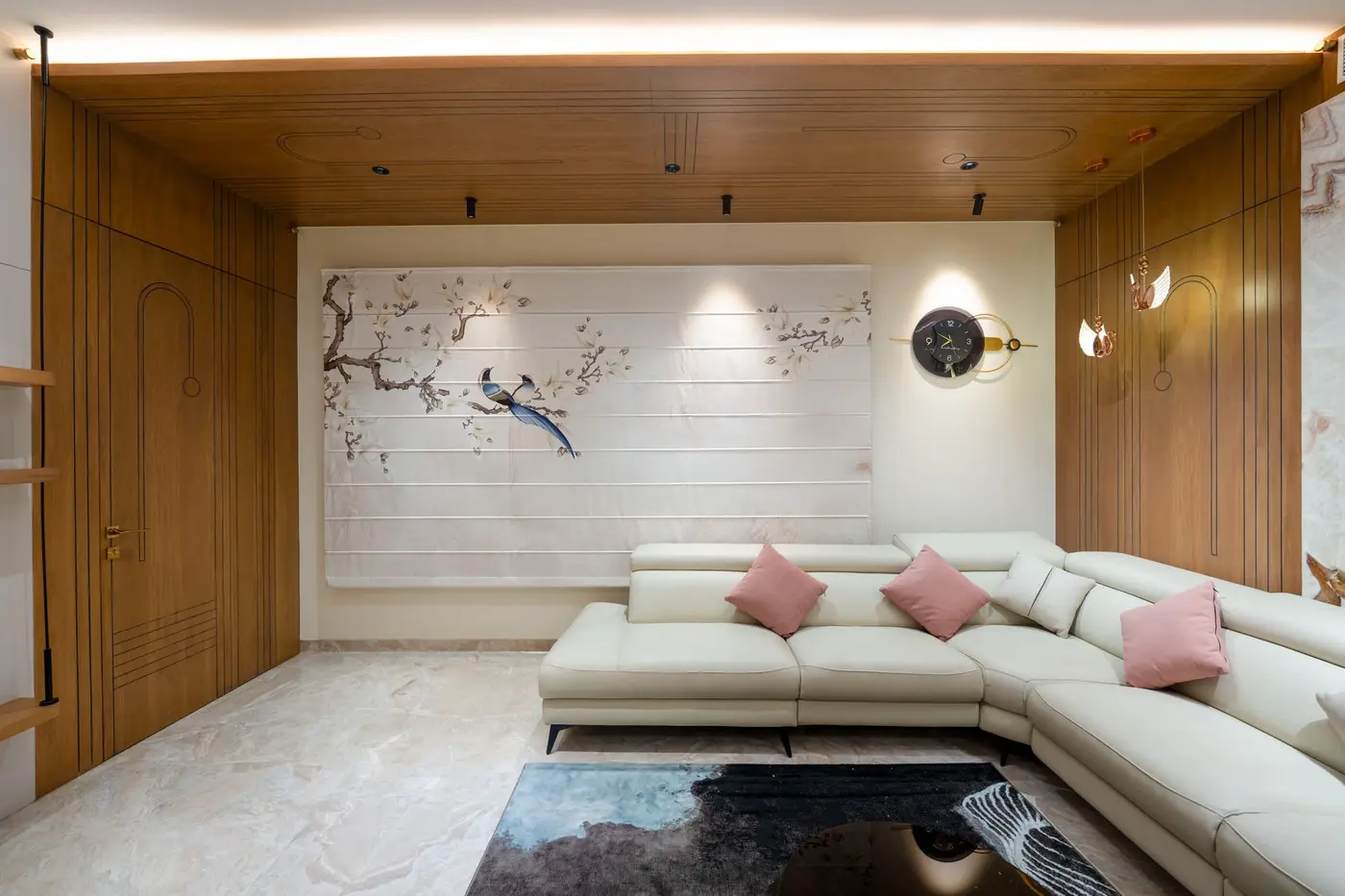
Whether you are planning a complete home interior or need professional guidance for specific areas, the right design approach can help you avoid costly changes and make better decisions from the beginning.
Explore Simplify Home's interior design consultancy and turnkey interior solutions to understand the services available for your home.
You can also explore the Simplify Home project portfolio to see different interior design styles and completed spaces.
Final Thoughts
Pinterest can help you discover what you love, but it cannot tell you exactly what your home needs.
A beautiful interior is not created by copying the most popular design online. It comes from understanding the available space, choosing suitable materials, planning functionality and bringing every element together with a consistent design direction.
Take inspiration from Pinterest, save the ideas you love and share them with your interior designer. But allow the final design to evolve around your home, your preferences and the way you live.
Because the goal is not to live in a Pinterest photograph. It is to create a home that looks beautiful, feels comfortable and works for you every day.
Frequently asked questions
Is it wrong to copy Pinterest interior designs?
No. Pinterest is great for inspiration, but designs should be adapted to your home's layout, estimation and lifestyle.
Can an interior designer recreate a Pinterest design?
Yes. Similar styles and elements can be recreated, but some modifications may be needed to suit your space and requirements.
Why does my home look different from the Pinterest reference?
Room dimensions, lighting, ceiling height, materials and furniture proportions can change the final appearance.
Can Pinterest designs work in small apartments?
Yes. With suitable space planning, furniture selection and storage solutions, many Pinterest ideas can be adapted for compact homes.
How can I avoid overspending on Pinterest-inspired interiors?
Fix your estimation, prioritise essential features and explore suitable material alternatives before finalising the design.
Should I select materials based on Pinterest photographs?
No. Always check physical samples under your home's lighting before finalising colours, textures and finishes.